
How to Choose the Right Apparel Manufacturer for Your Clothing Brand

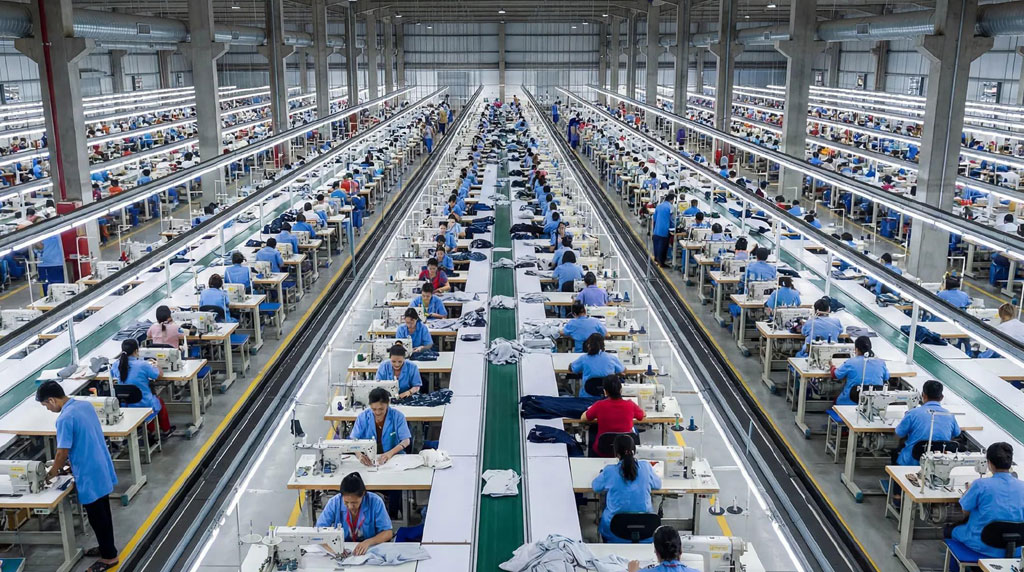
Finding the right apparel manufacturer is an important step for every clothing brand. Learn how to evaluate production capabilities, fabric quality, sampling, communication, quality control, and delivery requirements before choosing a manufacturing partner.

OEM vs ODM Clothing Manufacturing: What's the Difference?

OEM and ODM are two common approaches to clothing production. Discover how they differ, what clothing brands should consider, and how to choose the right manufacturing model for your product development and sourcing needs.

From Clothing Sample to Bulk Production: A Step-by-Step Guide

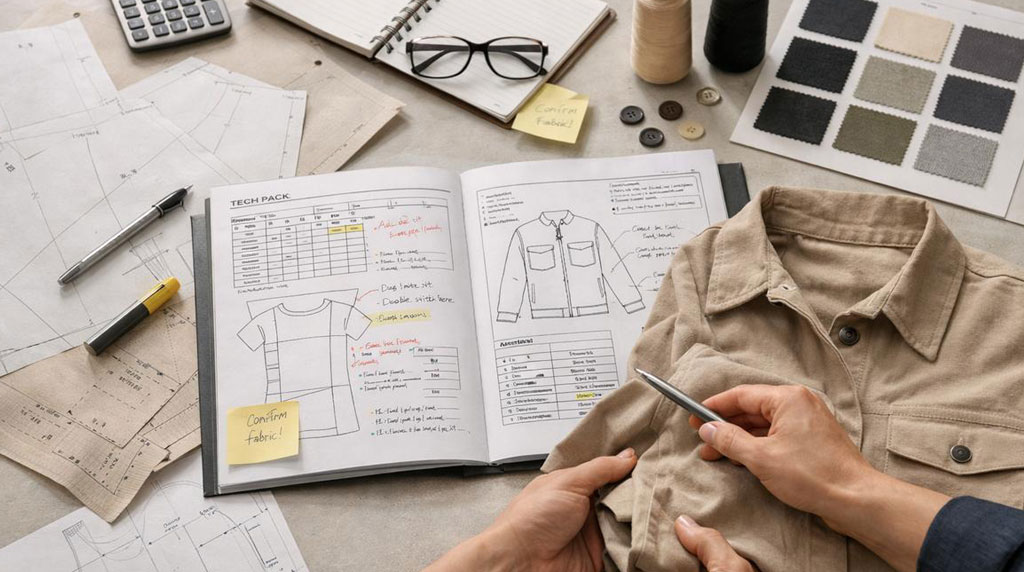
Moving from an approved clothing sample to bulk production requires careful planning. Learn how specifications, material sourcing, fit approval, production preparation, quality checks, and final inspection help brands prepare for consistent garment manufacturing.

Different types of knit fabrics and their applications

Understanding Knit Fabrics: Types, Benefits and Applications

Knit fabrics are known for their comfort, flexibility, and durability, making them a popular choice for modern apparel. Discover different knit fabric types, their key benefits, and how they are used across various clothing applications.

Different Types of Knit Fabrics and Their Uses

Knit fabrics offer comfort, flexibility, and durability for modern apparel. Discover different types of knits, including jersey, rib, interlock, and pique, and learn how to choose the right fabric for better garment performance.

Why Knit Fabrics Are Ideal for Everyday Clothing

From T-shirts to comfortable loungewear, knit fabrics play an important role in modern apparel. Discover how softness, flexibility, breathability, and fabric construction contribute to comfortable everyday garments.

The Knit Fabric Manufacturing Process: From Yarn to Fabric

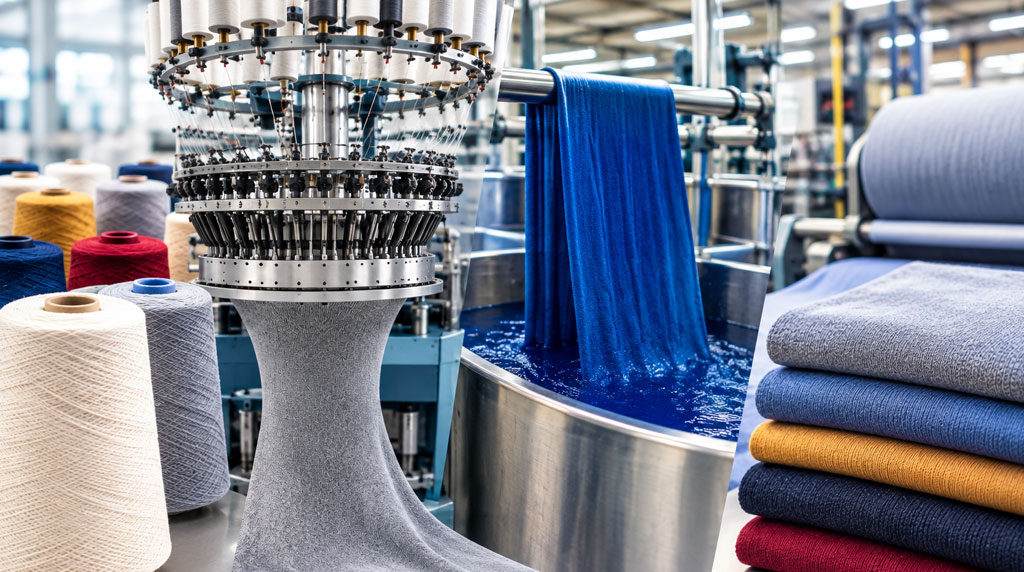
Knit fabric manufacturing transforms yarn into versatile fabrics for modern apparel. Discover the key production stages, from yarn selection and knitting to dyeing, finishing, and quality control.

Quality Control in Knitwear Manufacturing: Ensuring Fabric Quality

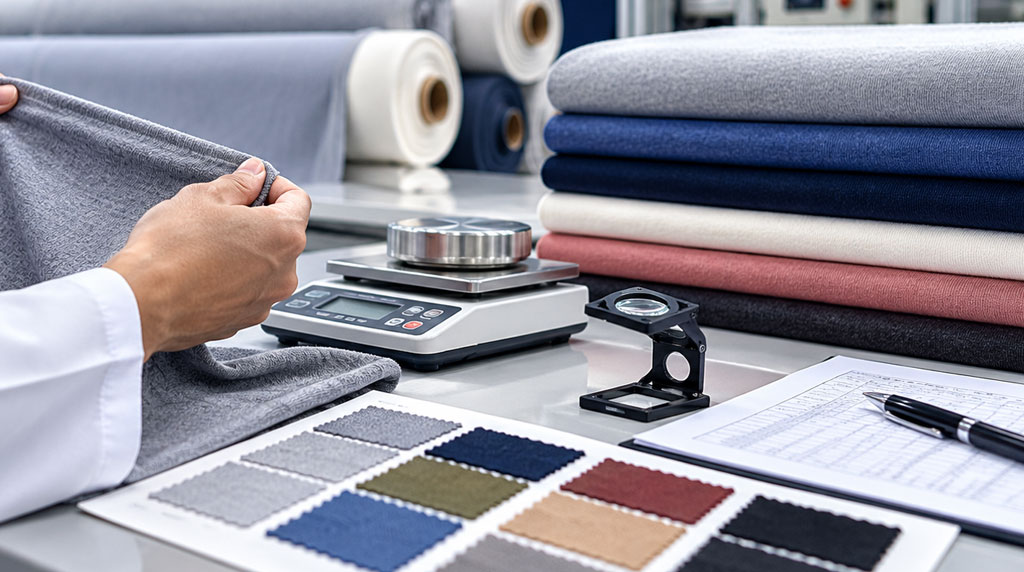
Learn how knitwear manufacturers assess fabric GSM, defects, color consistency, shrinkage, and durability to maintain quality and support reliable apparel production.

How Knit Fabrics Are Used in Sportswear and Activewear

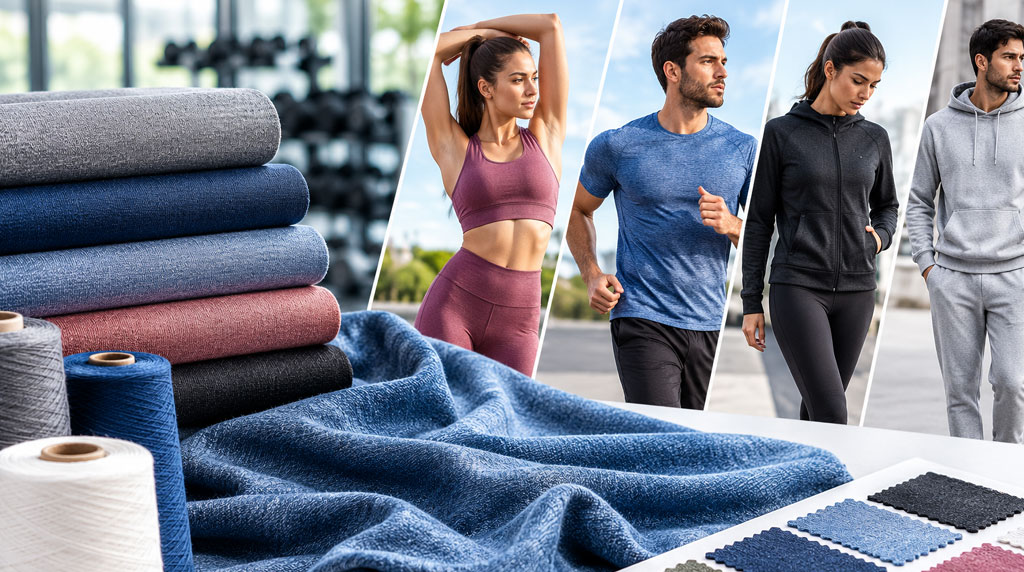
Sportswear and activewear require fabrics that offer comfort, flexibility, and performance. Discover how knit fabrics provide stretch, breathability, and durability for gym wear, running tops, yoga clothing, and everyday athletic apparel. Learn about different knit fabric types and how to choose the right material for your sportswear collection.

How Digital Transformation Is Improving Garment Manufacturing

Discover how digital technologies, RFID tracking, AI-powered prototyping, and real-time production data are helping garment manufacturers improve efficiency, quality control, and supply chain visibility.

Sustainable Knitwear Manufacturing | Best of the Knits Copy title

Sustainable Knitwear Manufacturing: Reducing Waste and Improving Fabric Efficiency

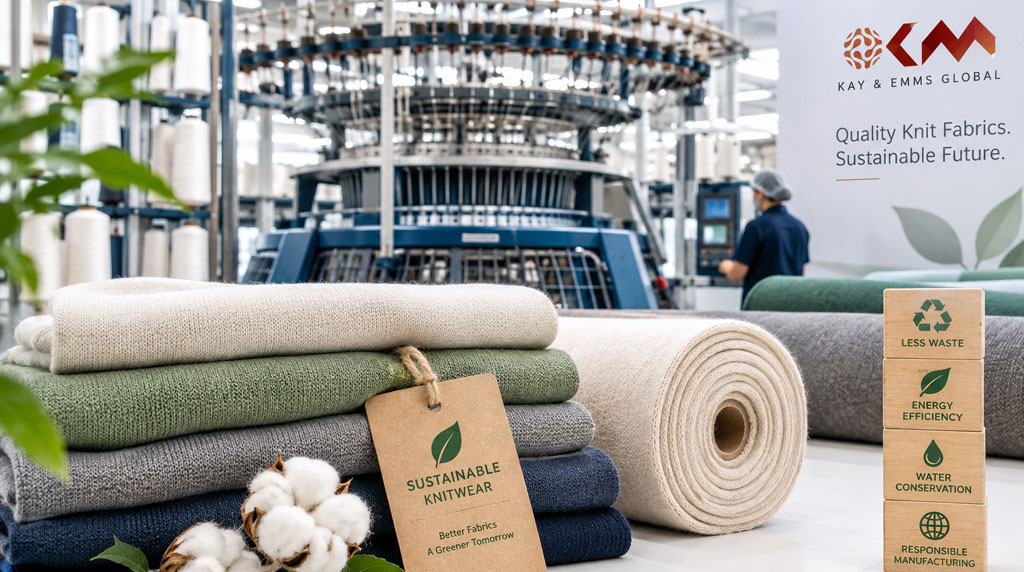
Learn how sustainable knitwear manufacturing can help textile companies reduce fabric waste, improve production efficiency, use resources responsibly, and maintain consistent quality. Discover practical approaches to fabric cutting, material selection, finishing, and responsible garment production.

Sustainable Fabrics: Types, Benefits & Fashion Impact

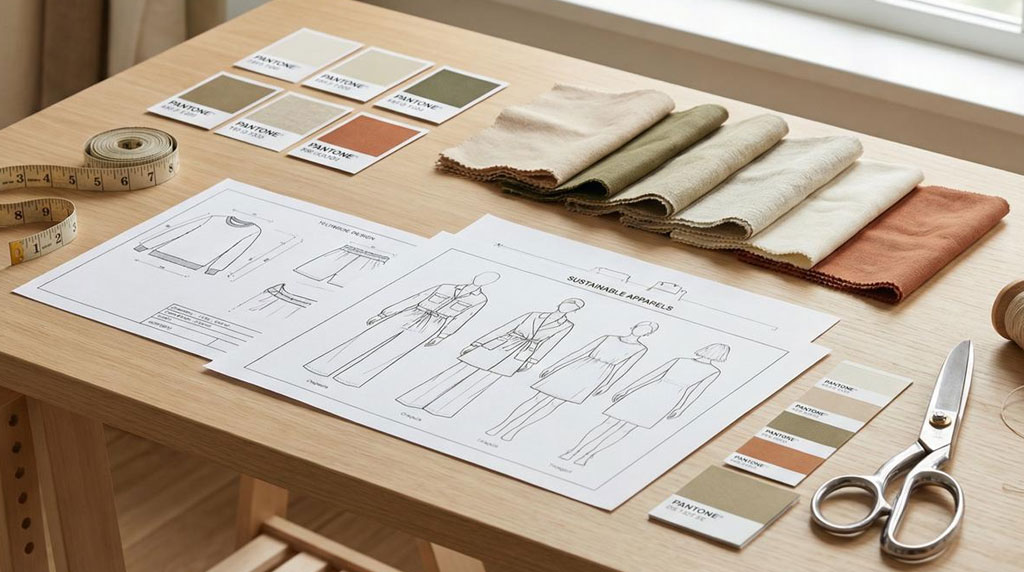
Discover how sustainable fabrics are shaping the future of the textile and fashion industries. Learn about organic cotton, recycled polyester, hemp, linen, and other responsible material choices, and explore how fabric selection can support comfort, quality, and more sustainable clothing production.

Knit Fabric Sampling to Bulk Production: A Complete Guide for Apparel Brands

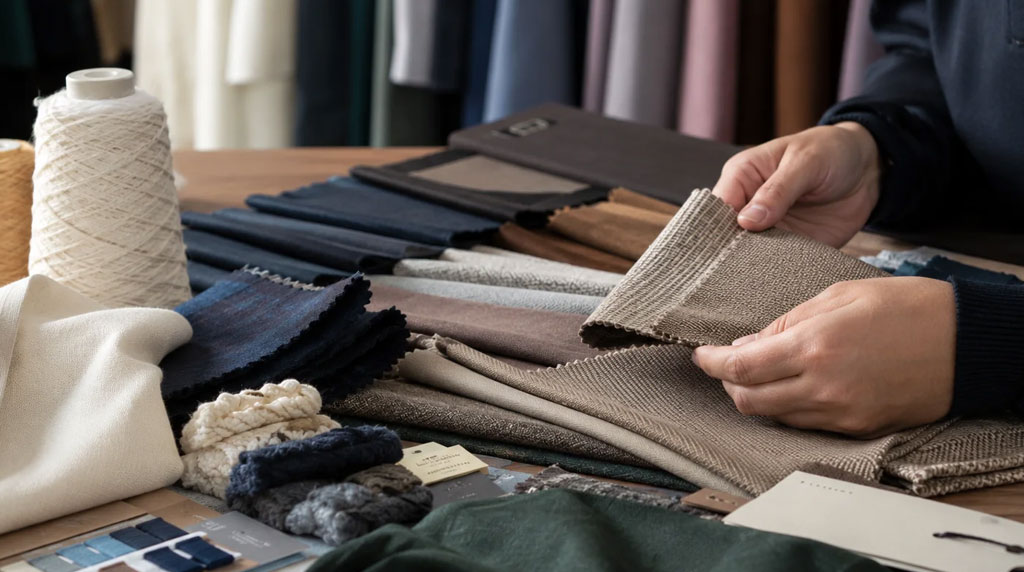
Discover how knit fabric sampling helps apparel brands prepare for successful bulk production. Learn what to check before approving fabric, including GSM, colour, shrinkage, stretch, durability, garment fit, and quality specifications. Explore practical steps for improving communication between brands and manufacturers.