
OEM vs ODM Clothing Manufacturing: What's the Difference?
OEM and ODM are two common approaches to clothing manufacturing. Both help brands bring garments to market, but they differ in how product designs are developed and how responsibilities are shared between the brand and the manufacturer.
Understanding OEM vs ODM clothing manufacturing can help fashion businesses prepare better enquiries, establish clear expectations, and choose a production model that fits their design resources and business goals.
Table of Contents
What Is OEM Clothing Manufacturing?
OEM stands for Original Equipment Manufacturer. In apparel sourcing, the term commonly describes an arrangement in which the buyer provides the product design or detailed specifications and the manufacturer produces the garment according to the agreed requirements.
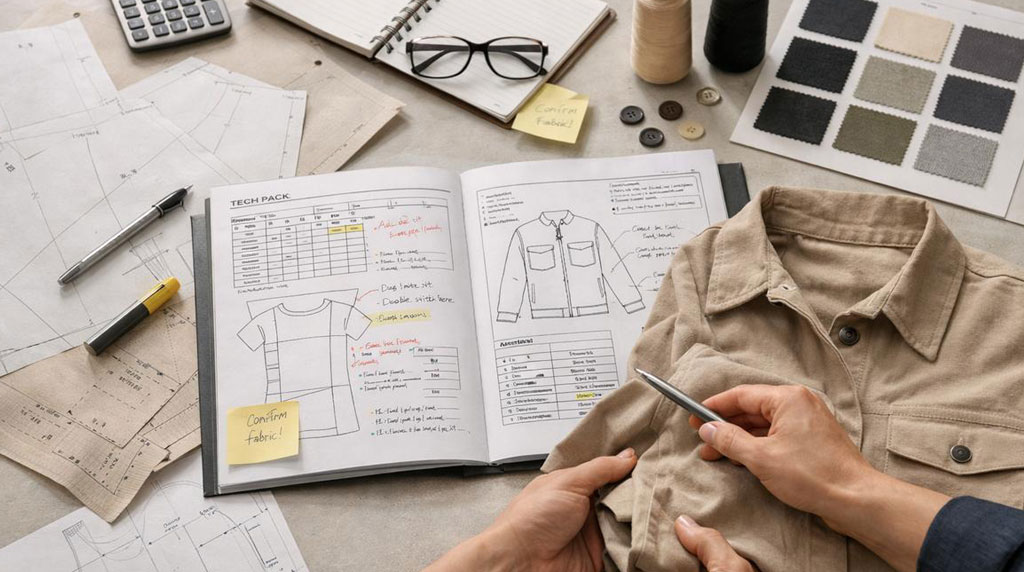
Depending on the project, a clothing brand may provide technical drawings, measurement charts, fabric specifications, construction details, trims, labels, and finishing instructions.
The manufacturer then works to produce the garments according to the approved specifications and agreed quality standards.
When Is OEM a Good Fit?
- Your brand already has its own garment designs.
- You require specific measurements and construction.
- You have defined material and finishing requirements.
- You want production based on your technical specifications.
OEM can be suitable for established brands and new businesses that have a clear product concept and want to maintain control over their design specifications.
What Is ODM Clothing Manufacturing?
ODM stands for Original Design Manufacturer. In this model, the manufacturer offers an existing design or product-development solution that a buyer can select and potentially customise.
Depending on the manufacturer's services, available customisation may include fabrics, colours, trims, branding, labels, and selected garment details.
ODM can help brands develop products without creating every design element from scratch. However, the amount of customisation, design exclusivity, and ownership available varies by supplier and agreement.
When Is ODM a Good Fit?
- You want to start with an existing garment design.
- You need support with product development.
- Your requirements match the manufacturer's available options.
- You want to explore customisation without developing every detail independently.
Always confirm which changes are permitted and whether the same design can be supplied to other buyers before making commercial decisions.
OEM vs ODM: Key Differences
The main distinction is the starting point for product design and development. The following table summarises common differences between the two models.
| Feature | OEM | ODM |
|---|---|---|
| Design starting point | Buyer-provided design or specifications | Manufacturer-provided design or product |
| Product development | Often led by the buyer | Often supported or led by the manufacturer |
| Customisation | Based on agreed specifications | Depends on the manufacturer's available options |
| Brand identity | Built around the buyer's product concept | Applied to an existing or adapted product concept |
| Design control | Buyer defines the required design details | Depends on the available design and customisation terms |
| Suitable for | Brands with defined product designs | Brands seeking an existing design or development solution |
Important: OEM and ODM responsibilities can vary between manufacturers. Confirm the precise scope of design, development, sampling, production, and ownership in the supplier's written proposal.
Which Model Is Right for Your Clothing Brand?
The right model depends on your design resources, product goals, available budget, desired level of control, and the services offered by your manufacturing partner.
Choose OEM If:
- You have original garment designs.
- You need specific measurements or construction details.
- Your brand has established material and finishing requirements.
- You want production based on your own technical specifications.
Consider ODM If:
- You want to start with an existing product design.
- You need help with product development.
- Your requirements fit the manufacturer's available options.
- You want to customise selected details instead of developing everything from scratch.
Neither model is automatically better. Compare the available services, design requirements, costs, and contractual terms before choosing the approach that best supports your clothing brand.
What Should You Confirm Before Starting?
Before entering an OEM or ODM arrangement, discuss the following points with your prospective manufacturer.
1. Design Ownership
Clarify who owns the original designs, modifications, patterns, and technical files. Ownership should be addressed explicitly rather than assumed.
2. Intellectual Property and Confidentiality
Discuss how trademarks, artwork, confidential information, and design rights will be protected. Put relevant responsibilities and restrictions in writing.
3. Sampling and Development
Confirm the sample-development process, the number of revisions included, approval requirements, and any additional development charges.
4. Minimum Order Quantities
Ask whether minimum quantities differ by garment style, colour, size, or fabric. Confirm how changes to quantities may affect pricing.
5. Quality Standards
Agree on material specifications, measurements, construction, finishing, and inspection criteria before authorising bulk production.
6. Production and Delivery
Request a proposed production schedule and identify the approvals required before manufacturing begins. Discuss delivery arrangements and how delays will be communicated.
How to Choose a Manufacturing Partner
Look for a manufacturer that can explain its actual capabilities, services, and responsibilities clearly. Review relevant product experience, sample quality, production processes, communication, and quality assurance procedures.
If your products involve knitwear, ask about experience with your intended knit structures, fabric weights, garment construction, and finishing requirements.
Do not assume that every apparel manufacturer offers both OEM and ODM services. Confirm which services are available for your particular products before proceeding.
A clear quotation, approved sample, written specifications, and agreed production schedule can help establish a more organised working relationship.
Conclusion
OEM and ODM represent two different approaches to clothing development and manufacturing. OEM generally begins with the buyer's design and specifications, while ODM generally begins with a manufacturer-provided design or product-development solution. Understanding the distinction helps clothing brands define responsibilities, ask better questions, and choose a sourcing arrangement that supports their product and commercial goals.
Frequently Asked Questions
1. Is OEM better than ODM?
Neither is universally better. OEM can suit brands with established designs and detailed specifications, while ODM can suit brands looking for an existing design or manufacturer-supported development.
2. Can I customise an ODM garment?
Many manufacturers offer some customisation, such as fabric, colour, labels, or trims. Available options vary by supplier and product, so confirm the permitted changes before ordering.
3. Who owns the garment design in OEM or ODM?
Ownership depends on the original design, applicable intellectual property rights, and contractual terms. Do not assume that design ownership transfers automatically to the buyer.
4. Are OEM and ODM suitable for knitwear?
Both models can be used for knitwear, depending on the manufacturer's capabilities and the buyer's requirements. Confirm fabric, construction, development, and customisation options before ordering.
5. What should I ask an OEM or ODM manufacturer?
Ask about product development, sampling, minimum order quantities, pricing, quality control, design rights, customisation, production timelines, and delivery arrangements.
Discuss Your Apparel Manufacturing Requirements
Best of the Knits welcomes enquiries from businesses interested in apparel manufacturing. Contact our team to discuss your garment specifications, material requirements, and production needs.
Contact Us