
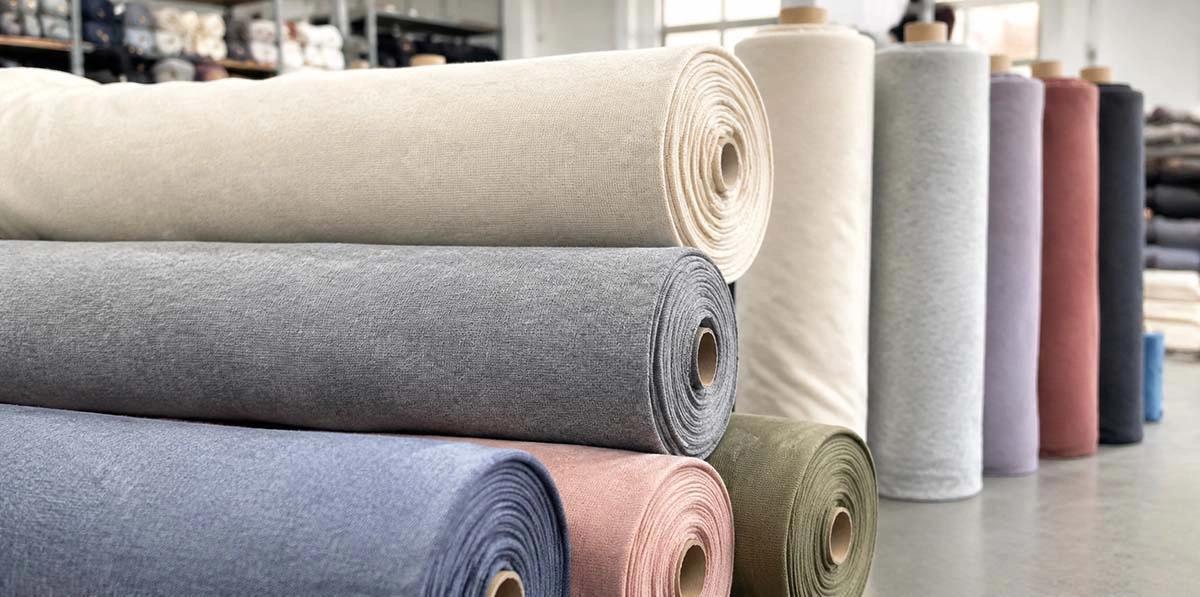
Understanding Knit Fabrics: Types, Benefits and Applications
Knit fabrics are known for their comfort, flexibility, and durability, making them a popular choice for modern apparel. From everyday T-shirts to sportswear and fashionable garments, knit fabrics play an important role in the textile and apparel industry.
Understanding different knit fabric types, their benefits, and their applications helps manufacturers, designers, and clothing brands choose the right material for their products.
Table of Contents
What Are Knit Fabrics?
Knit fabrics are textile materials created by interlooping yarns together. Unlike woven fabrics, which are made by crossing horizontal and vertical yarns, knitted fabrics are formed through interconnected loops.
This loop-based construction gives knit fabrics their characteristic stretch, softness, and flexibility. Depending on the knitting technique, yarn, and finishing process, knit fabrics can be lightweight, breathable, thick, or structured.
Types of Knit Fabrics
1. Single Jersey Fabric
Single jersey is one of the most widely used knitted fabrics in the apparel industry. It is generally lightweight, soft, and comfortable, making it suitable for everyday clothing.
Common applications:
- T-shirts and casual tops
- Dresses and lightweight garments
- Innerwear and loungewear
- Promotional and everyday apparel
2. Rib Knit Fabric
Rib knit fabric features raised vertical ribs that provide excellent stretch and recovery. It is commonly used where a close fit or flexible finishing is required.
Common applications:
- T-shirt neckbands
- Sleeve cuffs and waistbands
- Fitted tops
- Stretch garments
3. Interlock Fabric
Interlock is a double-knit fabric known for its smooth surface, stability, and soft feel. Compared with many single jersey fabrics, it generally offers a thicker and more structured construction.
Common applications:
- Premium T-shirts
- Baby clothing
- Casual wear
- Lightweight dresses and tops
4. French Terry Fabric
French terry is commonly recognized by its smooth outer surface and looped inner side. Depending on its weight and construction, it can provide comfort and warmth without always being as heavy as fleece.
Common applications:
- Sweatshirts
- Hoodies
- Joggers
- Casual and athleisure wear
5. Piqué Knit Fabric
Piqué is a textured knit fabric often associated with polo shirts. Its surface structure gives garments a distinctive appearance and can help create a more structured look.
Common applications:
- Polo shirts
- Corporate uniforms
- Sportswear
- Casual and branded apparel
Key Benefits of Knit Fabrics
Knit fabrics offer several advantages that make them suitable for a wide range of clothing products.
Comfort and Flexibility
The looped construction allows many knitted fabrics to stretch and move with the body, providing comfort during everyday activities.
Breathability
Many lightweight knit fabrics allow air to circulate, making them suitable for warm-weather clothing and activewear. Actual breathability depends on the yarn, fabric structure, and finishing.
Softness
Knit fabrics can provide a soft, comfortable feel against the skin, which makes them popular for T-shirts, babywear, loungewear, and other everyday garments.
Versatility
Different knitting structures allow manufacturers to produce fabrics with varying weights, textures, stretch levels, and appearances.
Production Efficiency
Knitting technology supports the production of a broad range of fabric structures. The most efficient process depends on the garment design, production volume, and required fabric specifications.
Applications of Knit Fabrics in the Apparel Industry
Knit fabrics are used across many apparel categories because different structures can meet different product requirements.
- Casual wear: T-shirts, tops, dresses, and everyday clothing.
- Sportswear: Stretch garments, training apparel, and activewear.
- Babywear: Soft garments designed for comfort and flexibility.
- Loungewear: Pajamas, joggers, and relaxed-fit clothing.
- Uniforms: Polo shirts, workwear tops, and branded garments.
- Fashion apparel: Fitted garments, textured designs, and seasonal collections.
Selecting the right fabric structure helps achieve the desired balance of appearance, comfort, performance, and durability.
How to Choose the Right Knit Fabric
Choosing a suitable knit fabric depends on the intended garment and its performance requirements. Before making a selection, consider the following factors:
- Garment purpose: Identify whether the fabric is intended for casual wear, sportswear, uniforms, or another application.
- Fabric weight: Choose a suitable GSM (grams per square metre) according to the required thickness and drape.
- Fiber composition: Cotton, polyester, viscose, elastane, and their blends offer different properties.
- Stretch and recovery: Consider how much the fabric needs to stretch and return to its original shape.
- Surface and texture: Select a structure that matches the garment's desired appearance and feel.
- Care requirements: Consider washing, shrinkage, colorfastness, and other maintenance requirements.
Fabric selection tip: Testing fabric samples before bulk production can help identify potential issues and ensure the material meets the product specifications.
Conclusion
Knit fabrics are an essential part of modern textile manufacturing because they combine comfort, flexibility, and versatility. From single jersey and rib knit to interlock, French terry, and piqué, each fabric type offers different characteristics and applications. By understanding these differences and evaluating factors such as GSM, fiber composition, stretch, and end use, apparel manufacturers and brands can make better fabric-selection decisions and develop products that meet customer expectations.
Frequently Asked Questions
1. What are knit fabrics mainly used for?
Knit fabrics are commonly used for T-shirts, sportswear, casual clothing, babywear, loungewear, sweatshirts, and polo shirts.
2. What is the difference between knit and woven fabrics?
Knit fabrics are formed by interlooping yarns, while woven fabrics are produced by crossing yarns in different directions. Knitted fabrics often offer more stretch, although the exact properties depend on construction and fiber composition.
3. Which knit fabric is best for T-shirts?
Single jersey is a popular choice for T-shirts because it is generally lightweight and comfortable. The best option depends on the desired weight, fit, softness, and durability.
4. What does GSM mean in knit fabrics?
GSM means grams per square metre. It measures fabric weight and helps manufacturers compare the relative weight of different fabrics.
5. How can knit fabric quality be evaluated?
Quality can be evaluated through fabric weight, dimensional stability, shrinkage, pilling resistance, colorfastness, stretch recovery, and other tests relevant to the intended garment.
Explore Knit Fabric Solutions
Looking for knit fabric solutions for your next collection? Contact Best of the Knits to discuss your fabric requirements and explore options for your apparel needs.
Contact Us