
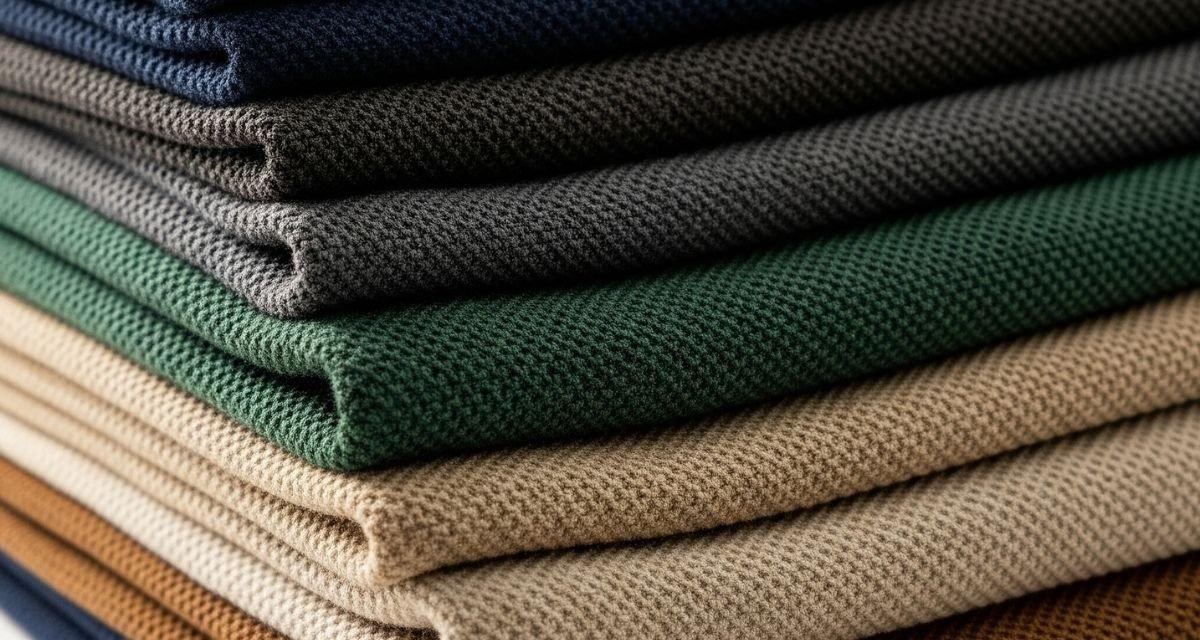
Different Types of Knit Fabrics and Their Uses
Knit fabrics are widely used in the textile and apparel industry because of their softness, flexibility, comfort, and versatility. From everyday T-shirts to premium garments and sportswear, knit fabrics offer a variety of properties suitable for different clothing applications.
Unlike woven fabrics, which are created by interlacing yarns, knit fabrics are made by forming interconnected loops. This construction gives many knit fabrics their characteristic stretch and comfortable feel. Understanding the different types of knit fabrics helps brands, designers, and manufacturers choose the right material for their products.
1. Jersey Knit Fabric
Jersey knit is one of the most popular types of knit fabric. It generally features a smooth face and a slightly textured reverse side. Depending on its construction and yarn, jersey can be lightweight, breathable, soft, and comfortable for everyday wear.
Common applications include:
- T-shirts and casual tops
- Dresses and lightweight garments
- Nightwear and loungewear
- Everyday casual clothing
Jersey fabrics can be produced using cotton, polyester, viscose, and blended yarns to achieve different levels of softness, durability, and performance.
2. Rib Knit Fabric
Rib knit fabric is recognized by its raised vertical ribs. Its construction provides good stretch and recovery, making it suitable for garments that need flexibility and a close fit.
Common applications include:
- T-shirt neckbands and garment cuffs
- Waistbands and fitted clothing
- Sweaters and casual apparel
- Stretchable garment components
Rib fabrics are available in different structures and compositions, allowing manufacturers to select the right balance of elasticity, comfort, and appearance.
3. Interlock Knit Fabric
Interlock is a type of double-knit fabric that usually has a smooth appearance on both sides. Compared with many lightweight jersey fabrics, it can provide a thicker, more stable structure while maintaining a soft and comfortable feel.
Common applications include:
- Premium T-shirts and tops
- Babywear and soft clothing
- Dresses and casual garments
- Comfortable everyday apparel
Interlock fabrics are a useful option when a garment requires a smooth surface, a quality appearance, and a more substantial feel.
4. Pique Knit Fabric
Pique knit fabric features a textured surface that creates a distinctive appearance. It is commonly associated with polo shirts and smart-casual clothing. Its texture, weight, and breathability depend on the specific knit construction, yarn, and finishing.
Common applications include:
- Polo shirts
- Casual uniforms
- Smart-casual apparel
- Corporate and promotional garments
Pique fabrics are popular for garments that need a balance of comfort, durability, and a structured appearance.
5. How to Choose the Right Knit Fabric
Selecting the right knit fabric is an important step in garment development. The ideal fabric depends on the garment design, intended use, target customer, and required performance.
- Comfort: Consider softness, breathability, and how the fabric feels against the skin.
- Stretch and recovery: Choose a construction that supports the garment's movement and fit requirements.
- Fabric weight: Select a suitable weight for lightweight T-shirts, structured polos, or heavier garments.
- Durability: Consider the intended frequency of wear, washing, and everyday use.
- Appearance: Evaluate the surface texture, drape, color, and overall finish.
Working with an experienced textile supplier can help businesses identify a fabric construction that meets their product specifications and quality expectations.
Conclusion
Jersey, rib, interlock, and pique are important knit fabric types, each offering different characteristics and applications. Understanding their properties makes it easier to select suitable materials for casualwear, premium garments, uniforms, and other apparel products.
At Best of the Knits, selecting suitable fabrics and maintaining quality are important considerations when meeting different textile requirements. Choosing the right knit fabric can help support garment comfort, appearance, and performance.
Explore Knit Fabric Solutions
Looking for knit fabric solutions for your next collection? Contact Best of the Knits to discuss your fabric requirements and explore options for your apparel needs.
Contact Us