
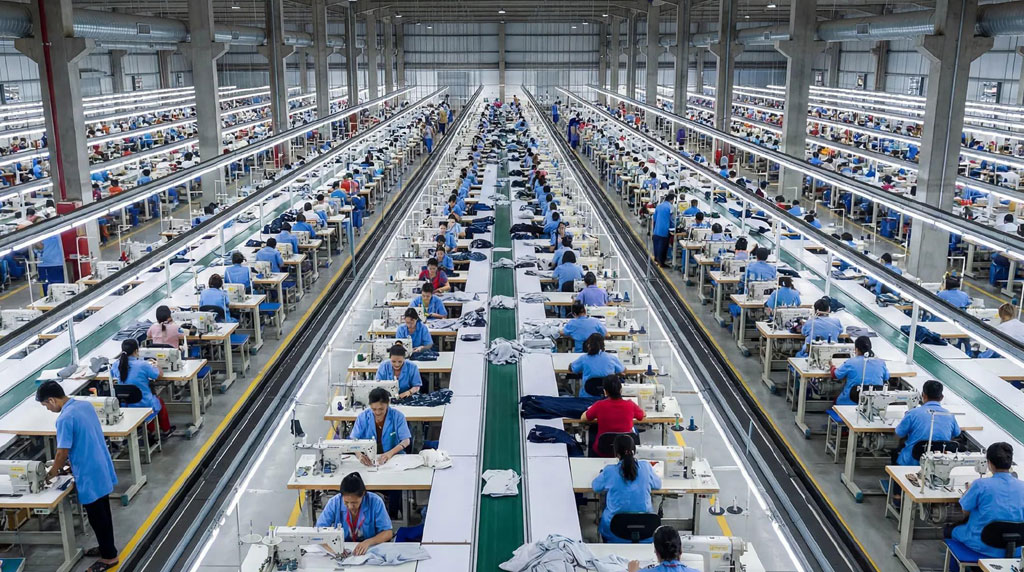
How to Choose the Right Apparel Manufacturer for Your Clothing Brand
Choosing the right apparel manufacturer is an important decision for any clothing brand. A reliable manufacturing partner helps turn product ideas into finished garments while maintaining consistent quality, fit, and production standards.
Whether you are launching a new fashion label or expanding an established clothing business, understanding a manufacturer's capabilities, sampling process, quality standards, pricing, and delivery commitments can help you make a more informed sourcing decision.
Table of Contents
- Understand Your Product Requirements
- Evaluate Manufacturing Capabilities
- Request Samples Before Bulk Production
- Review Quality Control Procedures
- Assess Communication and Transparency
- Confirm MOQs and Pricing
- Discuss Production Timelines and Delivery
- Consider Sustainable Manufacturing
- Conclusion
- Frequently Asked Questions
1. Understand Your Product Requirements
Before contacting an apparel manufacturer, prepare a clear overview of the products you want to manufacture. Detailed requirements help a production team understand your expectations and assess whether its capabilities match your project.
- Garment types and intended use.
- Fabric composition, weight, and colour preferences.
- Design files, technical drawings, or reference samples.
- Size ranges and measurement specifications.
- Estimated order quantities and colour combinations.
- Labels, trims, finishing, and packaging requirements.
- Target production and delivery dates.
A detailed product specification helps reduce misunderstandings and makes it easier to compare manufacturing quotations accurately.
2. Evaluate Manufacturing Capabilities
Not every garment manufacturer specialises in every type of apparel. Some focus on knitwear, while others produce woven garments, sportswear, outerwear, uniforms, or specialised clothing.
Review the manufacturer's experience with the products you intend to order. Depending on the facility, relevant capabilities may include material sourcing, knitting, cutting, stitching, garment finishing, printing, embroidery, and inspection.
Ask which production stages are completed in-house and which are managed by external suppliers. This helps you understand how production is organised and where additional coordination may be required.
Practical tip: Request examples of similar garments the manufacturer has produced. Relevant experience is more useful than broad claims about manufacturing expertise.
3. Request Samples Before Bulk Production
Sampling allows a clothing brand to evaluate a product before committing to a larger production order. It also provides an opportunity to identify design, fit, material, and construction issues early.
When reviewing a sample, check the following:
- Fabric composition, texture, and hand feel.
- Colour accuracy and consistency.
- Stitching quality and seam construction.
- Garment measurements, fit, and size grading.
- Labels, trims, and finishing details.
- Overall appearance and workmanship.
Provide specific feedback and approve the final sample before bulk production starts. Keep a record of approved materials, measurements, and construction details so the production team has a clear reference.
Changes introduced after bulk manufacturing begins may cause delays, additional expenses, or inconsistencies. Clear sample approval helps reduce these risks.
4. Review Quality Control Procedures
Quality control helps ensure garments meet the agreed specifications. Ask prospective manufacturing partners how they inspect incoming materials, monitor production, and assess finished products.
Depending on the garment, quality checks may include:
- Fabric weight and composition verification.
- Colour matching and colourfastness testing.
- Shrinkage and dimensional stability checks.
- Garment measurements and size consistency.
- Seam construction and stitching inspection.
- Visual checks for defects and finishing issues.
- Packaging and labelling verification.
Agree on inspection criteria before placing the order. Written quality requirements help the brand and manufacturer understand the expected result and the process for handling defects.
5. Assess Communication and Transparency
Communication is especially important when a clothing brand and manufacturer operate in different countries or time zones. Clear communication supports smoother coordination throughout product development and production.
A professional manufacturing partner should be able to explain:
- Sampling and development timelines.
- Material availability and sourcing options.
- Production schedules and progress updates.
- How specification changes will be approved.
- How delays and quality concerns will be communicated.
Before confirming an order, establish the preferred communication channels and agree on when progress updates will be provided.
6. Confirm Minimum Order Quantities and Pricing
Minimum order quantities, commonly known as MOQs, vary depending on the manufacturer, garment type, material, colours, and production requirements.
When requesting a quotation, provide detailed product specifications and ask for a clear breakdown of the charges.
- Garment manufacturing costs.
- Fabric and other material costs.
- Sampling and development charges.
- Labels, trims, and packaging.
- Testing or inspection charges, where applicable.
- Shipping and other agreed expenses.
The lowest quotation does not always represent the best value. Compare the complete cost alongside sample quality, communication, production capabilities, and quality control procedures.
7. Discuss Production Timelines and Delivery
A clear production schedule helps brands plan inventory, product launches, and marketing activities. Ask for an estimated timeline covering sampling, material sourcing, approvals, bulk production, final inspection, and dispatch.
Confirm which milestones depend on your approvals and which depend on material availability or production capacity. International shipping and customs procedures may also affect the final delivery date.
Allow reasonable time for unexpected issues and keep communication open throughout production. A realistic schedule with clear milestones is more useful than an unsupported delivery promise.
8. Consider Sustainable Manufacturing
Sustainability is an increasingly important consideration for many clothing brands. Depending on your products and target market, you may wish to discuss material sourcing, fabric waste, production efficiency, and environmental certifications.
Ask manufacturers to explain any sustainability claims and provide relevant supporting documentation. Material certifications, traceability, and production practices should be evaluated according to your requirements.
Transparent discussions about materials and manufacturing practices can help brands make better-informed sourcing decisions without relying on unverified environmental claims.
9. Build a Long-Term Manufacturing Relationship
A successful manufacturing relationship develops through clear specifications, timely decisions, honest communication, and shared quality expectations.
Keep records of approved samples, measurements, materials, labels, packaging instructions, and agreed changes. These records help maintain consistency across repeat orders.
Regular reviews and constructive feedback can also help both parties identify opportunities to improve product quality and production efficiency.
Conclusion
Choosing the right apparel manufacturer involves more than comparing prices. Clothing brands should evaluate manufacturing capabilities, sample quality, inspection procedures, communication, pricing transparency, sustainability considerations, and delivery planning. By assessing these factors before placing an order, brands can make informed sourcing decisions and build stronger manufacturing partnerships.
Frequently Asked Questions
1. What should I look for in an apparel manufacturer?
Evaluate product specialisation, manufacturing capabilities, sample quality, quality control, communication, pricing transparency, and delivery planning.
2. Should I approve a sample before bulk production?
Yes. An approved sample and written specifications establish the expected construction, fit, materials, and finish of the finished garment.
3. What information should I provide for a quotation?
Provide garment designs, fabric requirements, measurements, order quantities, colours, labels, packaging details, and delivery expectations.
4. How can I compare garment manufacturers?
Compare relevant experience, sample quality, production capabilities, inspection procedures, complete pricing, communication, and proposed timelines.
5. Why is quality control important in apparel manufacturing?
Quality control helps identify defects, maintain agreed specifications, and improve consistency across finished garments.
Looking for an Apparel Manufacturing Partner?
Best of the Knits welcomes enquiries from businesses interested in apparel manufacturing. Contact our team to discuss your product specifications, material requirements, and manufacturing needs.
Contact Us