
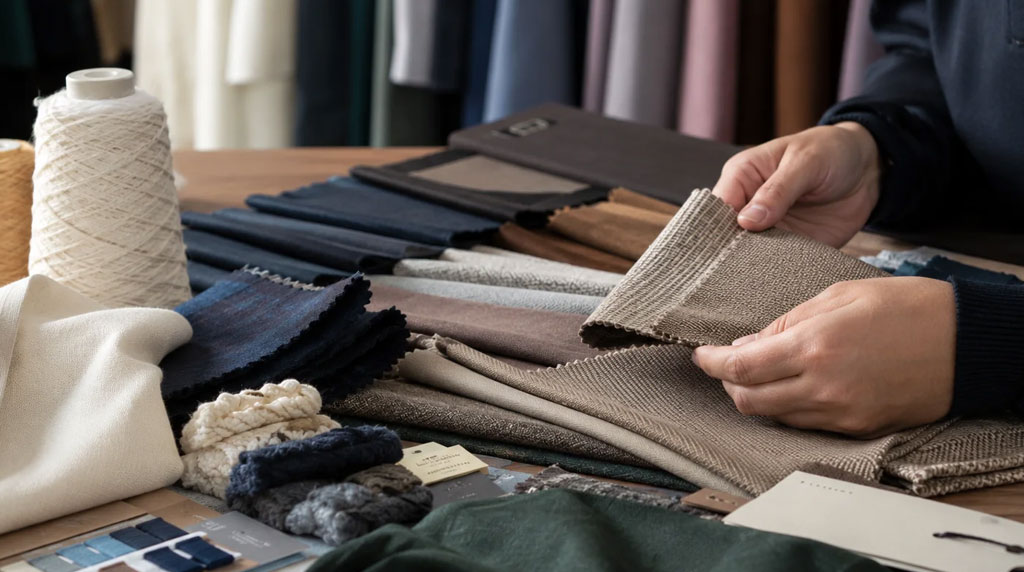
Knit Fabric Sampling to Bulk Production: A Complete Guide for Apparel Brands
Developing a successful clothing collection involves more than choosing an attractive design. Before apparel brands move into bulk manufacturing, they need to make sure the selected knit fabric meets their requirements for appearance, comfort, weight, fit, durability, and overall quality.
Fabric sampling provides an opportunity to review these details before committing to a larger production order. It helps brands, designers, sourcing teams, and manufacturers identify potential issues early and agree on the specifications that will guide bulk production.
In this guide, Best of the Knits explains the main stages of knit fabric sampling, the checks brands should complete before approval, and how to prepare for a smoother transition from sample development to bulk apparel manufacturing.
What Is Knit Fabric Sampling?
Knit fabric sampling is the process of producing or selecting a representative fabric sample so its characteristics can be evaluated before larger-scale production begins. Depending on the project, the sample may be developed using a particular yarn, knitting construction, fabric weight, colour, or finishing process.
A sample allows the buyer and manufacturer to assess whether the material is suitable for the intended garment. It can also help confirm technical details that are difficult to judge from a photograph or written description alone.
The sampling process varies according to the product. A basic cotton T-shirt may require different checks from a stretch sportswear garment, a ribbed top, or a heavier sweatshirt fabric.
1. Define Your Fabric Requirements Before Sampling
Clear requirements make fabric development more efficient. Before requesting a sample, brands should share as much relevant information as possible about the finished product and the material they need.
- Garment type: T-shirt, polo shirt, sweatshirt, leggings, or another product.
- Fibre composition: Cotton, polyester, viscose, elastane, or a specified blend.
- Fabric construction: Single jersey, interlock, rib, French terry, fleece, or another suitable structure.
- Fabric weight: The required GSM range.
- Colour: A reference swatch, approved colour standard, or relevant colour specification.
- Performance: Required stretch, recovery, softness, coverage, or durability.
- Finishing: Any required surface feel, appearance, or functional treatment.
Providing these details early helps the manufacturing team identify suitable options and reduces the risk of developing samples that do not match the intended product.
2. Check Fabric GSM and Usable Width
GSM stands for grams per square metre and is a measure of fabric weight. It is one of the common specifications used when developing knit fabrics for different apparel applications.
A lighter fabric may be suitable for certain T-shirts or lightweight tops, while a heavier construction may be preferred for sweatshirts or garments requiring more coverage. However, GSM alone does not determine quality, warmth, durability, or suitability.
Usable fabric width is also important because it affects pattern layout and material consumption during garment cutting. Brands should confirm the agreed width and weight requirements and check that the production fabric remains within the approved tolerances.
What to Confirm
- Approved GSM or acceptable GSM range.
- Usable fabric width.
- Measurement method and agreed tolerances.
- Whether measurements apply before or after finishing.
- Consistency between the approved sample and bulk material.
3. Evaluate Hand Feel, Appearance, and Construction
Two fabrics with similar fibre composition and GSM can still feel and behave differently. Knitting construction, yarn characteristics, dyeing, and finishing can influence softness, drape, surface texture, and dimensional stability.
During sampling, inspect the fabric under suitable lighting and compare it with the intended design reference. Look for unwanted marks, visible defects, inconsistent texture, and differences between the front and back surfaces where relevant.
It is also useful to review how the material behaves when handled, stretched, folded, and sewn into the intended garment. The sample should reflect the product requirements rather than simply looking attractive on a swatch card.
4. Approve Colour and Shade Carefully
Colour approval is particularly important when brands need matching garments across multiple sizes, production batches, or product components. A colour displayed on a computer or mobile screen may not accurately represent the final dyed fabric.
Where colour accuracy matters, use an agreed physical standard or another suitable colour reference. Review samples under consistent lighting and follow the buyer's required approval process.
Brands should also establish how shade consistency will be checked during bulk production. This can help reduce avoidable differences between fabric lots and garment components.
5. Test Shrinkage and Dimensional Stability
Knit fabrics can change dimensions during washing, drying, steaming, or other processing stages. The degree of change depends on fibre composition, construction, finishing, and the care conditions used.
Shrinkage and dimensional stability should therefore be assessed using a test method appropriate to the product and agreed with the buyer. The results help the manufacturer determine whether the material is suitable for the intended garment measurements.
When required, garment samples can also be evaluated after washing to review fit, appearance, seam performance, and overall shape retention. Testing before bulk approval helps identify issues that could otherwise affect finished garments.
6. Check Stretch and Recovery for Knitwear
Stretch and recovery are important for many fitted garments, activewear, ribbed components, and other products that need to accommodate movement. The required performance depends on the garment design and intended use.
Some knit structures provide flexibility through their construction, while elastane-containing blends can provide additional stretch when properly engineered. The fabric should be evaluated against the actual requirements rather than assuming that all knitted materials have the same stretch characteristics.
- Review stretch in the relevant fabric directions.
- Check whether the material returns toward its original dimensions.
- Assess coverage and opacity when the garment requires it.
- Confirm that the fabric remains suitable after the specified care process.
7. Review Pilling, Durability, and Colourfastness
Apparel is exposed to repeated wear, friction, washing, and handling. Depending on the product, brands may need to evaluate pilling resistance, abrasion performance, colourfastness, and other durability characteristics.
Not every garment needs the same test programme. A casual T-shirt, a school uniform, and a performance garment may have different quality requirements. Test methods and acceptance criteria should be selected according to the intended use and buyer specifications.
Recording test results during sample approval gives both parties a reference for evaluating production material and finished garments later.
8. Approve the Garment Sample, Not Just the Fabric
An approved fabric swatch is an important milestone, but it does not replace evaluation of the finished garment. Cutting, sewing, seam construction, garment measurements, and finishing can all influence the final product.
Where appropriate, brands should review a garment sample made using the intended fabric and production methods. This provides a clearer understanding of fit, construction, appearance, and the way the material behaves as a finished product.
Garment Sample Approval Checklist
- Confirm the approved fabric and colour.
- Check garment measurements against the size specification.
- Review seams, stitching, hems, and construction details.
- Check labels, trims, prints, or embroidery where applicable.
- Evaluate appearance after any required washing or finishing.
- Record final comments and obtain the required approval.
9. Prepare a Clear Specification for Bulk Production
Before bulk production begins, the approved details should be documented clearly. Verbal instructions alone can lead to misunderstandings, particularly when several teams or suppliers are involved.
The final specification may include fibre composition, fabric construction, GSM, width, colour reference, finishing requirements, testing criteria, garment measurements, and approved sample references.
Any changes after approval should be communicated and reviewed before implementation. Keeping an organised record of approvals helps the buyer and manufacturer work from the same requirements.
10. What Should Brands Check During Bulk Production?
Even when a sample is approved, the production team needs to monitor whether bulk material and finished garments remain consistent with the agreed specifications.
- Verify incoming materials against the approved specification.
- Monitor fabric weight, width, shade, and relevant quality characteristics.
- Inspect fabric and garments at appropriate production stages.
- Record defects and investigate recurring problems.
- Review measurements and construction against the approved sample.
- Document any authorised changes to materials or production methods.
The scope and frequency of inspections should reflect the order, product risks, and buyer's quality requirements. Consistent documentation helps identify differences early and supports more reliable manufacturing decisions.
11. How Sampling Can Help Reduce Production Delays
Fabric and garment sampling requires time, but a well-managed approval process can help prevent avoidable delays later. Discovering a colour mismatch, unsuitable fabric weight, or measurement issue during development is generally easier to manage than discovering it after a large order has been produced.
Brands can support smoother development by providing complete specifications, responding to sample submissions promptly, consolidating feedback, and confirming approvals in writing.
Production timelines still depend on material availability, order complexity, testing requirements, capacity, and other project factors. Clear communication helps all parties plan these stages more effectively.
12. Choosing a Knit Fabric and Apparel Manufacturing Partner
A suitable manufacturing partner should understand the relationship between fabric development, garment construction, and the buyer's quality expectations. Brands should assess relevant experience, technical communication, sample-development capabilities, quality procedures, and production capacity.
It is also useful to discuss minimum order requirements, development lead times, material sourcing, testing arrangements, and how production changes will be handled. Clear expectations help both parties assess whether the proposed manufacturing process is right for the project.
Best of the Knits, part of Kay & Emms Global, offers fabric and apparel manufacturing capabilities for a range of product needs. You can explore our manufacturing services to learn more about our fabric and garment capabilities.
Conclusion
Moving from knit fabric sampling to bulk production requires clear specifications, careful sample evaluation, documented approvals, and consistent quality checks. Reviewing GSM, width, colour, hand feel, shrinkage, stretch, and durability helps brands make more informed decisions before production begins.
By approving both the fabric and the intended garment, and by maintaining clear communication throughout production, apparel brands and manufacturers can reduce avoidable misunderstandings and work toward consistent finished products.
A structured sampling process creates a stronger foundation for product development and helps align design expectations with manufacturing requirements.
Frequently Asked Questions
1. Why is knit fabric sampling important?
Sampling allows brands to review fabric characteristics and confirm important specifications before bulk production. It can help identify issues early and establish a reference for production quality.
2. What details should be included in a fabric specification?
Common details include fibre composition, knit construction, GSM, usable width, colour reference, finishing requirements, relevant testing criteria, and acceptable tolerances.
3. Is approving a fabric swatch enough before bulk production?
Not always. A fabric swatch helps confirm material properties, but a garment sample may also be needed to evaluate fit, measurements, stitching, construction, and finished appearance.
4. Why should GSM be checked before bulk production?
GSM measures fabric weight per square metre. Checking it helps confirm that the material matches the agreed specification, although GSM alone does not establish overall fabric quality.
5. Which fabric tests may be required before approval?
Depending on the garment, relevant checks may include shrinkage, dimensional stability, colourfastness, pilling, stretch recovery, and other performance tests agreed with the buyer.
6. How can brands improve communication with manufacturers?
Share complete specifications, provide clear reference samples, consolidate feedback, document approvals, and communicate changes before they affect production.
7. What should brands review before placing a bulk order?
Brands should confirm the approved fabric, garment sample, specifications, quality requirements, order quantities, production timeline, and any agreed testing or inspection procedures.
Planning Your Next Knitwear Collection?
Discuss your knit fabric development, sampling, and apparel manufacturing requirements with Best of the Knits.
Contact Our Team