
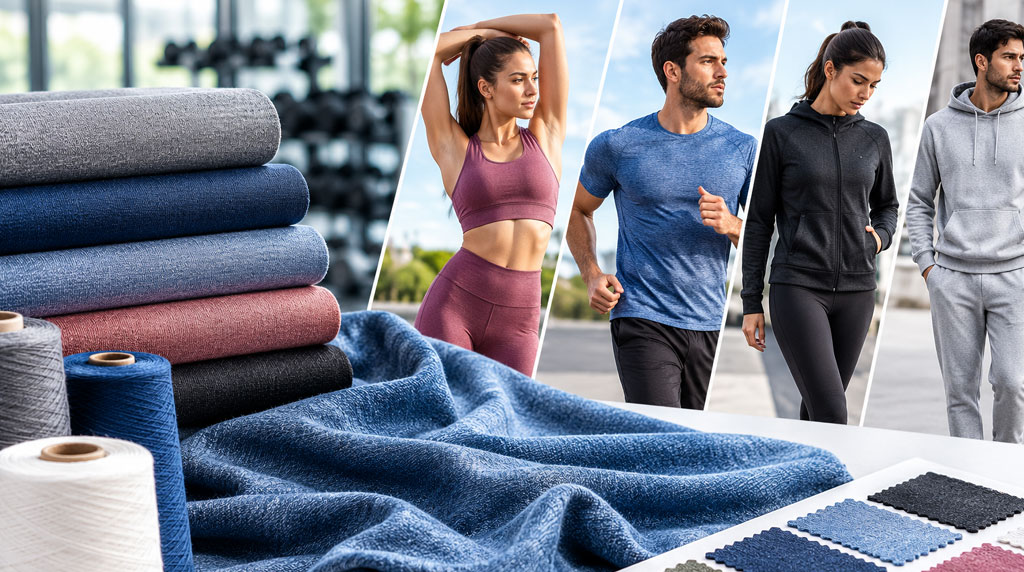
How Knit Fabrics Are Used in Sportswear and Activewear
Sportswear and activewear are designed to support movement, comfort, and performance. Whether it is a gym T-shirt, running top, yoga outfit, sweatshirt, or training garment, the fabric plays an important role in how the clothing feels and performs. This is why knit fabrics for sportswear and activewear are widely used in modern apparel manufacturing.
Knit fabrics are made by interlooping yarns to create a flexible structure. Depending on the yarn, knitting construction, and finishing process, they can offer stretch, softness, breathability, and comfortable movement. For textile manufacturers and apparel brands, selecting the right knit structure is essential to developing garments that meet specific performance and design requirements.
Why Are Knit Fabrics Popular in Sportswear?
Active clothing needs to move with the body while remaining comfortable during different activities. Knit fabrics are suitable for many sportswear applications because their looped construction can provide flexibility and a soft feel. The exact performance depends on the fiber composition, fabric construction, weight, and finishing.
For manufacturers, these properties make knit fabrics a versatile option for creating athletic apparel, fitness clothing, casual sportswear, and everyday garments.
1. Stretch and Freedom of Movement
Stretch is an important consideration in gym wear, yoga clothing, running apparel, and training garments. Many knit structures offer natural flexibility, while fabrics containing elastane can provide additional stretch and recovery when appropriately engineered.
A suitable stretch fabric allows garments to accommodate bending, stretching, and repetitive movement. Fabric developers must consider stretch percentage, recovery, fit, and the intended activity when selecting materials for performance apparel.
2. Breathability and Moisture Management
Physical activity can generate heat and perspiration, making fabric selection important for wearer comfort. Certain knit constructions allow airflow through the fabric, while suitable fiber blends and moisture-management finishes can help manage perspiration.
Polyester knits are commonly considered for lightweight performance apparel, while cotton and cotton-blend knits are often chosen for their soft hand feel and everyday comfort. The best option depends on the garment's intended use and the performance requirements of the brand.
3. Lightweight Comfort for Training and Running
Lightweight fabrics can help make sportswear comfortable during workouts and outdoor activities. Fabric weight, commonly measured in grams per square meter (GSM), affects the fabric's feel, coverage, and suitability for different applications.
Lightweight single jersey and selected technical knits may work well for running tops, training T-shirts, and active base layers. Heavier knits may be more appropriate for sweatshirts, joggers, and other garments that require additional coverage or warmth.
4. Common Types of Knit Fabrics Used in Activewear
Single Jersey
Single jersey is widely used for T-shirts, lightweight tops, and casual athletic clothing. Its soft feel and versatility make it a practical choice for everyday sportswear.
Interlock Knit
Interlock fabrics generally have a smooth surface on both sides and a more stable construction than many basic single jersey fabrics. They can be suitable for premium T-shirts, comfortable activewear, and garments requiring a fuller fabric feel.
Rib Knit
Rib fabrics have a textured structure with useful stretch characteristics. They are commonly used for cuffs, collars, waistbands, fitted tops, and selected body-hugging apparel designs.
Performance Stretch Knits
Engineered stretch knits, including fabrics blended with elastane, can be developed for leggings, fitted training tops, and other garments that require controlled stretch and recovery. Construction and testing should match the demands of the final garment.
5. Durability, Shape Retention, and Fabric Recovery
Sportswear is often exposed to repeated movement, washing, and regular use. For this reason, durability and shape retention are important considerations during fabric development.
Manufacturers can evaluate stretch recovery, pilling resistance, dimensional stability, seam performance, and colorfastness according to the intended product and buyer specifications. These checks help brands select materials that are appropriate for their target market.
6. Choosing the Right Fabric for Each Sportswear Application
There is no single knit fabric that is ideal for every athletic garment. Fabric selection should be based on the garment design, expected movement, climate, desired hand feel, and required performance.
- Gym T-shirts: Lightweight jersey or suitable moisture-management knits.
- Running tops: Lightweight, breathable fabrics designed for the activity.
- Yoga and training wear: Stretch fabrics with appropriate recovery and coverage.
- Sports sweatshirts: Fleece, French terry, or other suitable heavier knits.
- Sportswear cuffs and waistbands: Rib knits selected for stretch and fit.
7. The Role of Textile Manufacturing and Quality Control
Producing reliable activewear starts with selecting suitable yarns and developing the right fabric construction. Knitting, dyeing, finishing, and garment manufacturing all influence the final product.
Quality checks may include fabric GSM, width, shade consistency, shrinkage, surface defects, stretch recovery, and colorfastness. Testing requirements should be agreed with the buyer and matched to the intended garment. Consistent production controls help textile manufacturers deliver materials that meet design and quality expectations.
8. Sustainability in Sportswear Fabric Development
Sustainability is an increasingly important consideration in textile sourcing. Depending on product requirements, brands may explore responsibly sourced cotton, recycled fibers, and other lower-impact material options.
Fiber selection is only one part of the process. Water and energy use, chemical management, waste reduction, durability, and responsible manufacturing practices also matter when evaluating the overall environmental impact of a textile product.
How Kay & Emms Global Supports Knit Fabric and Apparel Needs
Kay & Emms Global provides knit fabric and apparel manufacturing solutions, with expertise spanning fabric production and garment manufacturing. Its integrated capabilities support the development of textile products for different apparel requirements.
For brands exploring sportswear and activewear, fabric selection should begin with a clear understanding of the intended garment, performance expectations, target price, and quality specifications. Working closely with a manufacturing partner can help align fabric development with product goals.
Explore the company's textile manufacturing services to learn more about its fabric and apparel capabilities.
Conclusion
Knit fabrics play an important role in sportswear and activewear because they can offer flexibility, comfort, and a wide range of fabric constructions for different applications. From everyday gym T-shirts to stretch training garments and sweatshirts, the right material depends on the required performance, fiber composition, construction, and finishing.
By combining thoughtful fabric development with appropriate quality checks, textile manufacturers can help apparel brands create products that meet their customers' expectations for comfort, fit, and durability.
Frequently Asked Questions
1. Why are knit fabrics used in sportswear?
Knit fabrics are used because many constructions offer flexibility, softness, and comfortable movement. The right fabric can also be engineered for specific requirements such as breathability or stretch.
2. Which knit fabric is best for gym T-shirts?
Single jersey is a common option for gym T-shirts. The best choice depends on fiber content, fabric weight, climate, and whether moisture management or other performance features are required.
3. Are knit fabrics suitable for leggings and yoga wear?
Yes. Suitable stretch knits, often containing elastane, can be used for leggings and yoga wear when they meet the required stretch, recovery, opacity, and durability specifications.
4. What does GSM mean in sportswear fabric?
GSM means grams per square meter. It measures fabric weight and helps manufacturers compare materials for different garment applications. GSM alone does not determine overall fabric quality or performance.
5. How can brands choose a reliable knit fabric manufacturer?
Brands should review manufacturing capabilities, fabric development options, quality-control procedures, testing standards, production capacity, and communication. Clear specifications and sample approval are also important.
Looking for Knit Fabrics for Sportswear and Activewear?
Discuss your fabric requirements, garment applications, and manufacturing needs with Kay & Emms Global.
Contact Our Team