
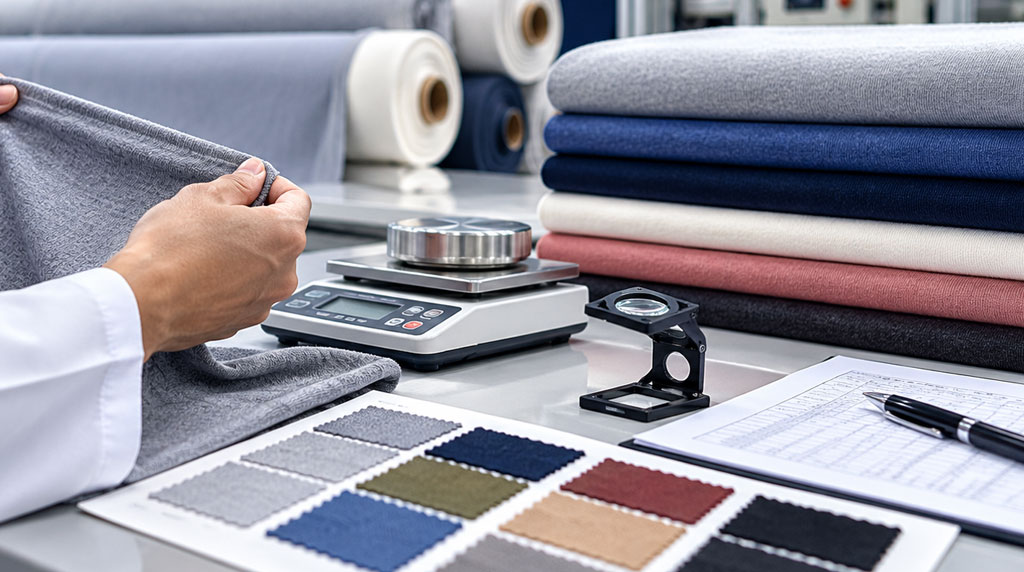
Quality Control in Knitwear Manufacturing: Ensuring Fabric Quality
Quality control in knitwear manufacturing is essential for producing fabrics that meet customer specifications and apparel requirements. From fabric weight and color consistency to shrinkage and surface defects, careful inspection helps manufacturers identify issues before the fabric reaches garment production.
For clothing brands, textile buyers, and apparel manufacturers, consistent fabric quality supports reliable production, reduces avoidable waste, and helps maintain customer satisfaction. Understanding the main quality checks makes it easier to select suitable knit fabrics for different applications.
What Is Quality Control in Knitwear Manufacturing?
Quality control is the process of inspecting and evaluating fabric to determine whether it meets defined quality standards and specifications. In knitwear manufacturing, checks may take place during knitting, dyeing, finishing, and before final fabric delivery.
Inspection requirements depend on the fabric construction, fiber composition, intended garment, and buyer's quality requirements. A consistent process helps identify defects and maintain greater uniformity between production batches.
1. Fabric GSM and Weight Inspection
GSM stands for grams per square metre. It measures the weight of fabric over a defined area and is an important specification in knit fabric manufacturing.
Fabric weight influences the feel, thickness, drape, and suitability of a material for different garments. For example, lightweight jersey may be suitable for summer T-shirts, while heavier knit fabrics may be selected for sweatshirts or other substantial apparel.
GSM inspection helps manufacturers:
- Compare fabric weight with the approved specification.
- Identify unwanted variations between fabric batches.
- Support consistency in garment development.
- Confirm that the material suits its intended application.
2. Fabric Defect Inspection
Knitted fabrics can develop defects during yarn preparation, knitting, handling, dyeing, or finishing. Identifying these issues early helps reduce their impact on subsequent production stages.
Common knit fabric defects include:
- Holes: Open areas that can affect fabric usability.
- Broken or dropped stitches: Irregularities in the knitted structure.
- Uneven texture: Visible differences across the fabric surface.
- Oil or handling marks: Unwanted stains or surface contamination.
- Color variation: Differences in shade across a roll or between batches.
Visual inspection and appropriate fabric testing help identify defects so that affected material can be assessed before use.
3. Color Consistency and Shade Matching
Color consistency is particularly important when producing apparel collections that require matching shades across multiple fabric rolls or production batches.
Shade assessment may involve comparing samples against an approved standard under suitable lighting. Depending on buyer requirements, instrumental color measurement may also be used.
Color quality checks can help with:
- Matching fabric to the approved color standard.
- Identifying shade differences between batches.
- Reducing mismatched panels in garment production.
- Maintaining a consistent appearance across a collection.
4. Shrinkage and Dimensional Stability Testing
Knitted fabrics can change dimensions during washing, drying, relaxation, or garment processing. Shrinkage testing helps assess these changes under specified test conditions.
Dimensional stability is important because unexpected fabric shrinkage may affect garment measurements, fit, and appearance. Testing should follow the method and limits agreed with the buyer.
These checks help manufacturers:
- Evaluate dimensional changes after washing.
- Assess whether fabric meets agreed shrinkage limits.
- Support more accurate garment pattern and sizing decisions.
- Identify the need for suitable finishing adjustments.
5. Stretch, Recovery, and Fabric Performance
Stretch and recovery are important properties in many knitted fabrics, particularly those used for fitted clothing, activewear, and garments that require freedom of movement.
Stretch describes how much a fabric extends under a specified force, while recovery describes how well it returns towards its original dimensions after the force is removed.
Depending on the fabric and end use, performance checks may also include pilling resistance, colorfastness, strength, and other relevant properties.
6. Quality Checks During Dyeing and Finishing
Dyeing and finishing can influence a knit fabric's color, hand feel, appearance, and dimensional stability. Quality checks at these stages help confirm that the finished material meets the required specifications.
- Check shade consistency against the approved sample.
- Inspect fabric appearance after finishing.
- Assess softness and surface feel where required.
- Verify fabric width and weight after processing.
- Review shrinkage and other specified test results.
7. Why Quality Control Matters to Apparel Brands
Consistent fabric quality helps apparel businesses plan production with greater confidence. It can also reduce disruptions caused by unexpected fabric defects or differences between batches.
Effective quality control can support:
- More consistent products: Fabric better aligned with agreed specifications.
- Less avoidable waste: Earlier identification of material issues.
- Reliable production planning: Fewer unexpected quality-related interruptions.
- Better garment appearance: Improved control over color, weight, and surface quality.
- Customer confidence: Clearer quality expectations and inspection practices.
Quality tip: Before bulk production, confirm fabric GSM, composition, color standard, shrinkage limits, and applicable test requirements with your textile supplier.
How to Choose a Quality Knit Fabric Supplier
Selecting a fabric supplier involves more than comparing price. Buyers should also consider product consistency, communication, technical support, and the supplier's ability to meet agreed specifications.
- Ask for fabric samples and relevant specifications.
- Confirm the required composition, construction, and GSM.
- Discuss color approval and batch consistency requirements.
- Clarify the inspection and testing process.
- Confirm delivery requirements and communication procedures.
Clear specifications and early sample approval help align the buyer and supplier before bulk fabric production begins.
Conclusion
Quality control in knitwear manufacturing helps assess fabric weight, defects, color consistency, shrinkage, stretch, and finishing. A structured approach to inspection supports consistent fabric performance and helps apparel businesses make informed material decisions. By defining requirements clearly and checking quality at the right stages, manufacturers and buyers can work towards reliable results.
Frequently Asked Questions
1. What is quality control in knitwear manufacturing?
It is the process of inspecting and evaluating knitted fabric to check whether it meets agreed specifications for appearance, weight, performance, and other quality requirements.
2. What does GSM mean in knit fabric?
GSM means grams per square metre. It measures fabric weight over a defined area and helps buyers compare materials against their required specifications.
3. Which defects are commonly checked in knitted fabrics?
Common checks include holes, dropped stitches, uneven texture, stains, surface imperfections, and unwanted color variations.
4. Why is shrinkage testing important?
Shrinkage testing evaluates dimensional changes under specified conditions and helps determine whether fabric meets the agreed requirements for garment production.
5. How can buyers maintain consistent fabric quality?
Buyers can define specifications clearly, approve samples, agree on relevant testing methods, and review inspection results before accepting bulk fabric.
Looking for Quality Knit Fabric Solutions?
Best of the Knits supports apparel and textile requirements with a focus on fabric quality and manufacturing expertise. Contact our team to discuss your knit fabric needs and product specifications.
Contact Us